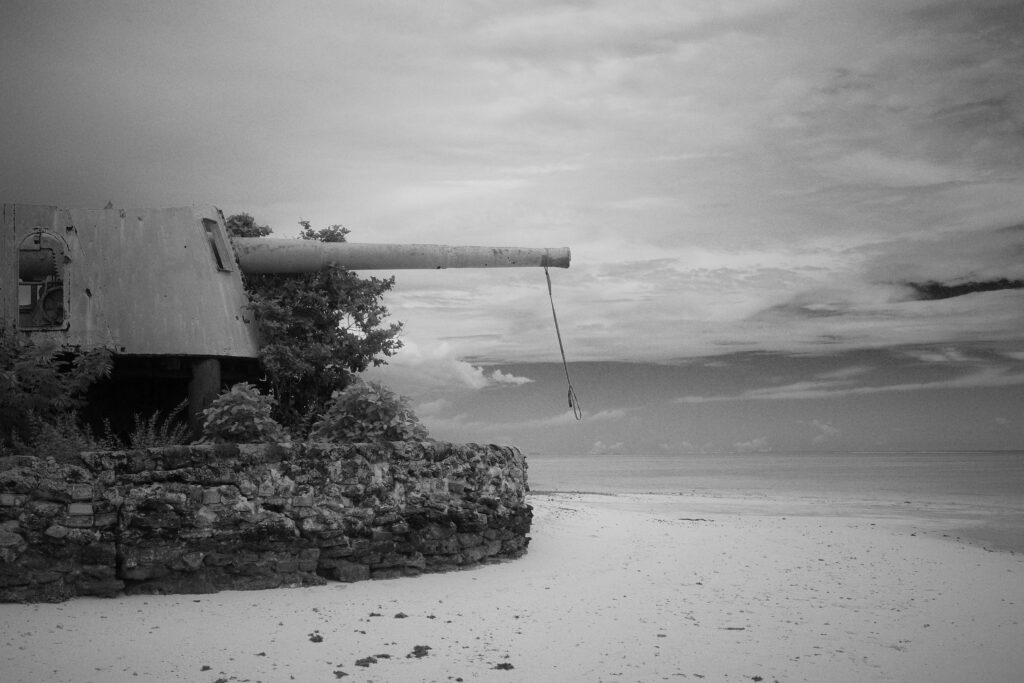
When I mention I am heading to Kiribati for work, most people say they have never heard of it. I usually describe it as a country of low lying islands scattered across a huge stretch of the Pacific, somewhere around the equator between Australia and Hawaii. For those who do know the name, it is often because Kiribati is talked about as one of the places most threatened by rising sea levels. Some know it for a darker history: British nuclear tests in the 1950s on Kiritimati and Malden Island, and the Battle of Tarawa in November 1943, when U.S. Marines fought Japanese defenders in one of the bloodiest battles of the Pacific war. In just 76 hours, about 1,000 Americans were killed and more than 4,500 Japanese died. 
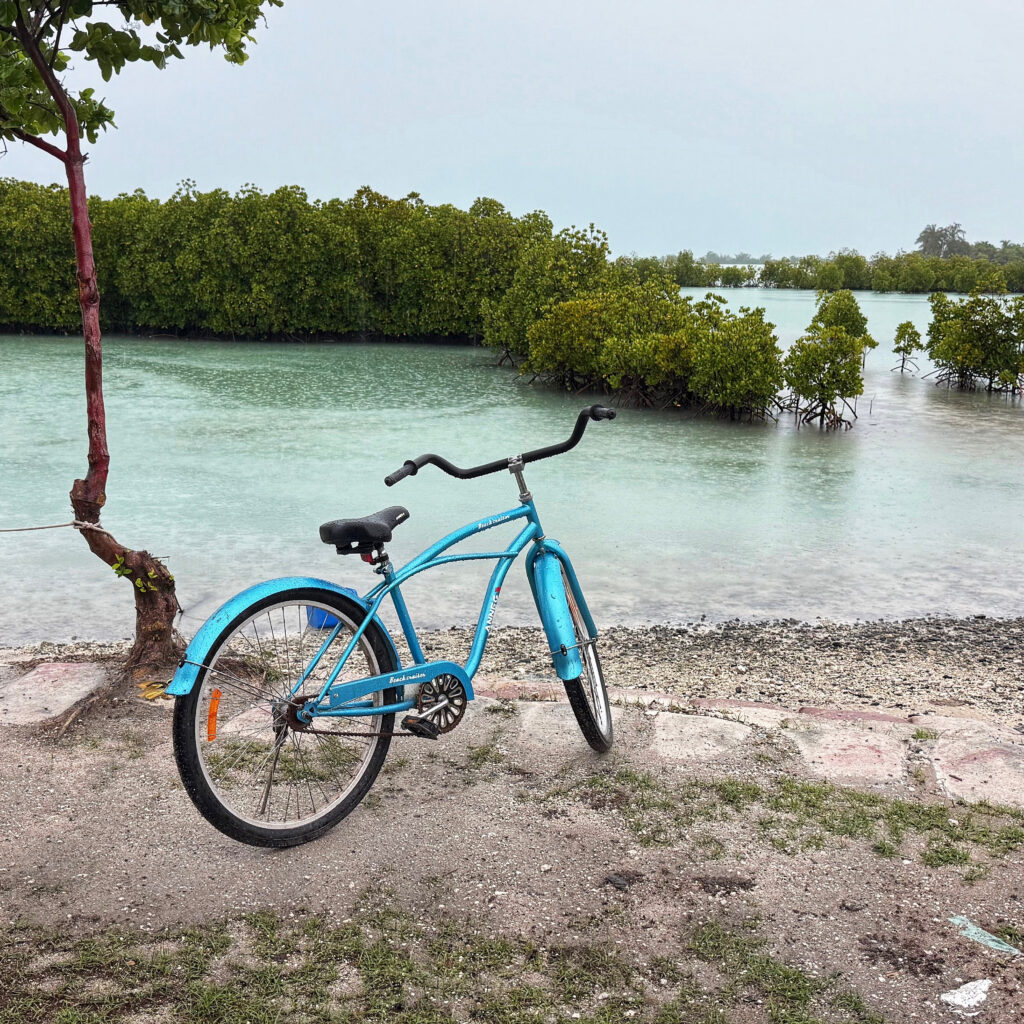
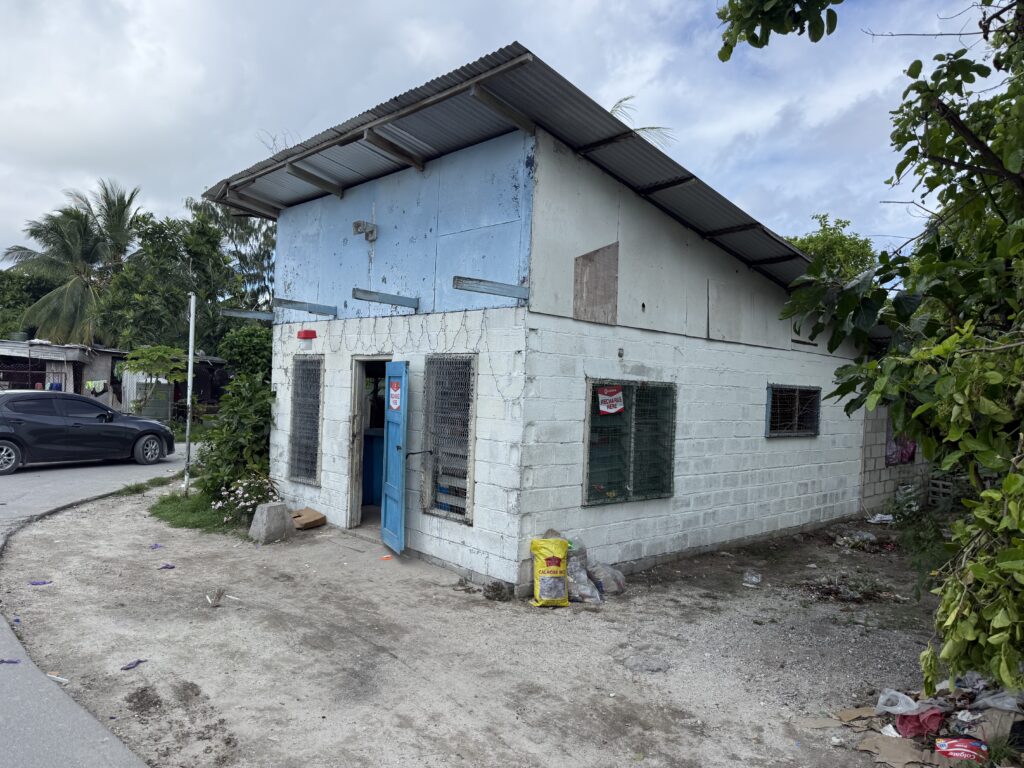
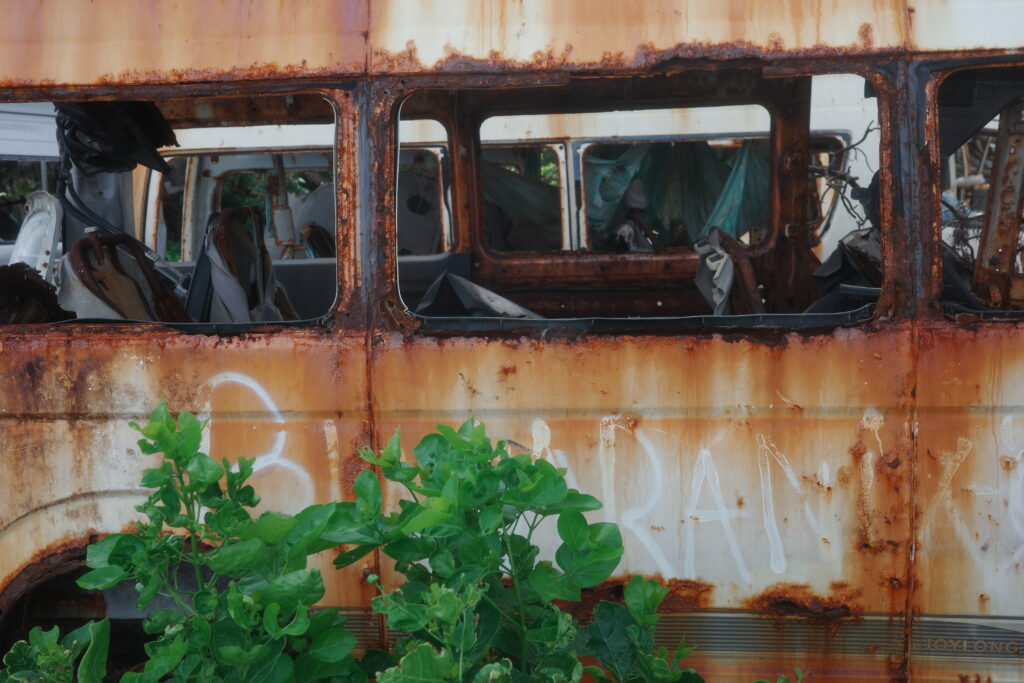
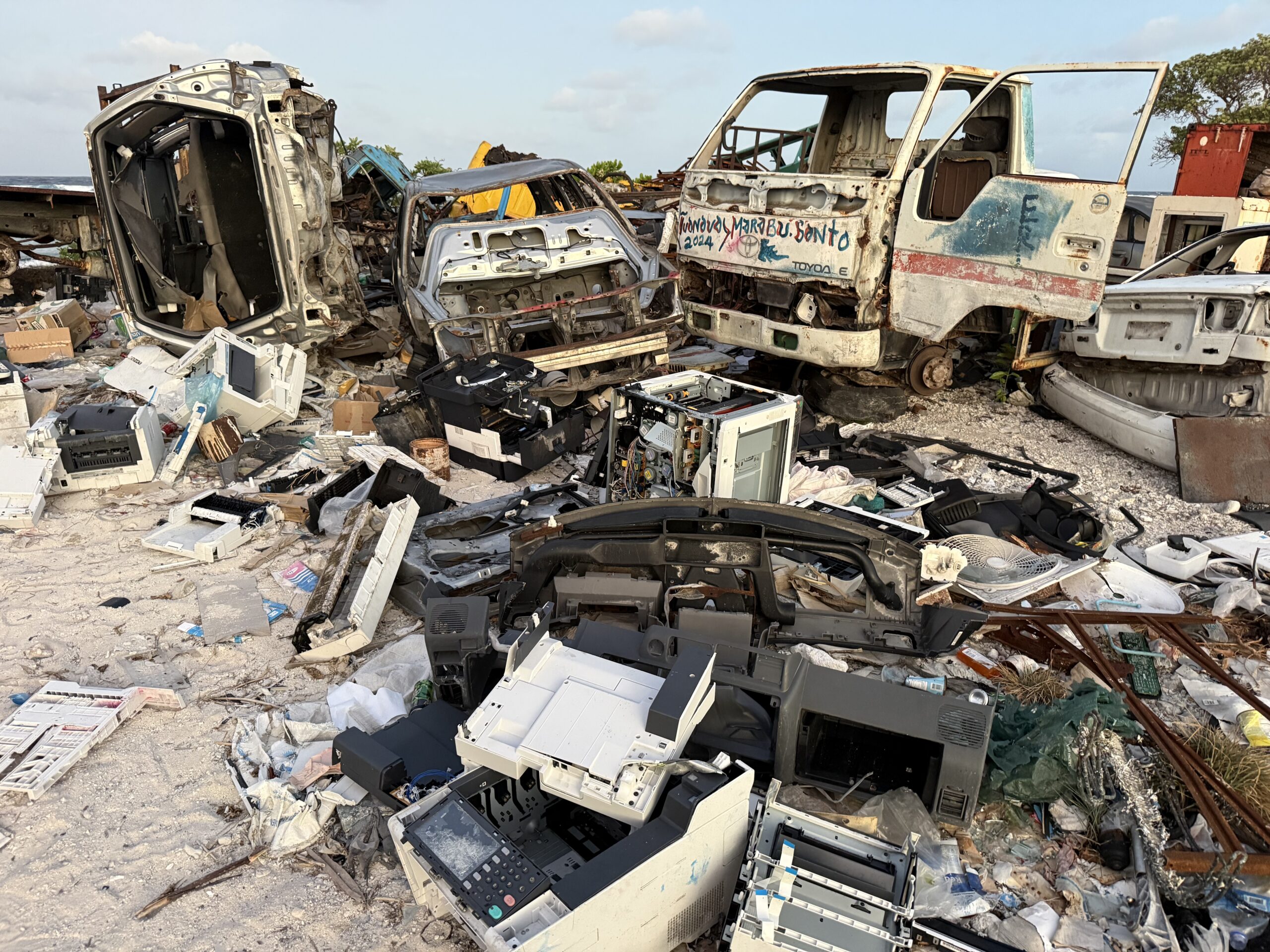
The place where I stay is South Tarawa. It is flat, hot and ringed by beautiful turquoise water. It is also crowded, tense and hard on the senses. South Tarawa has an extremely high population density, and you feel that quickly. Houses sit close together. Rusting cars are scattered about. Rubbish disposal is a real problem. Packs of dogs roam the roads and at times they snarl and snap as you pass. It is not the postcard version of the Pacific. It is a place where daily life presses in on itself. 
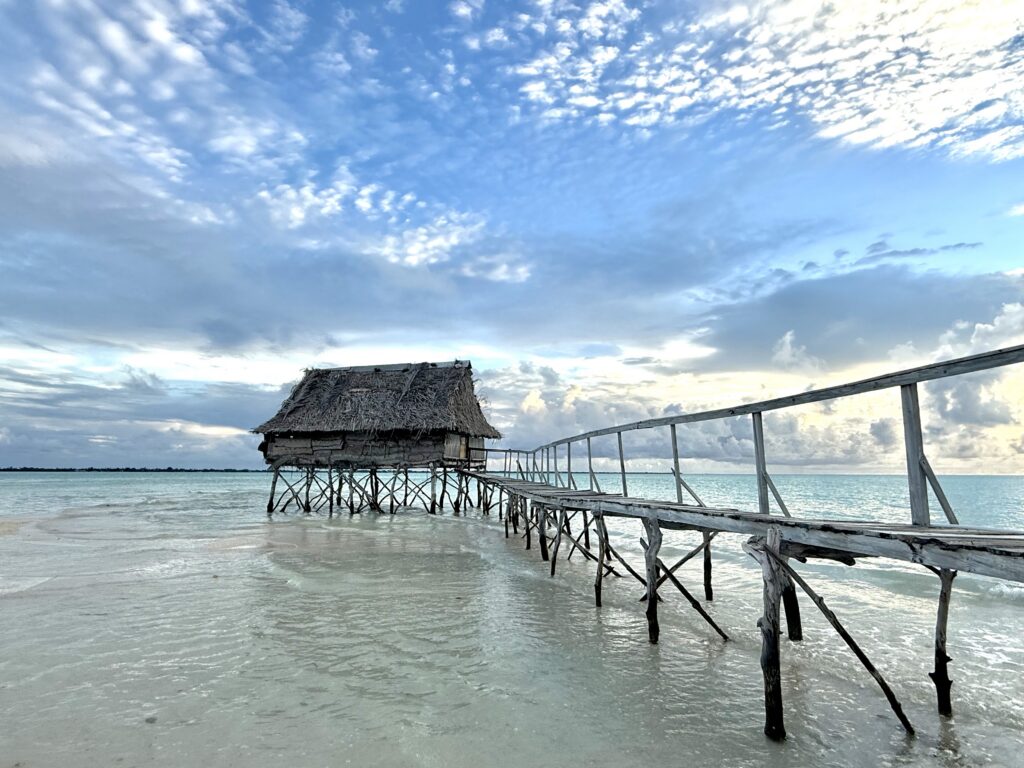
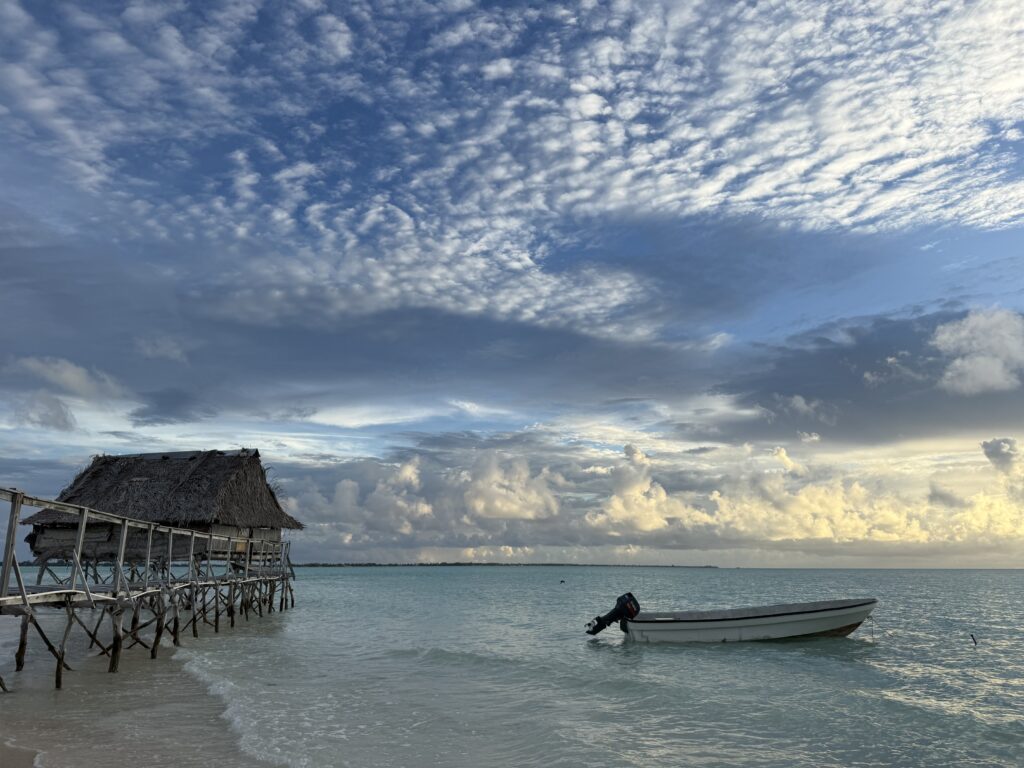
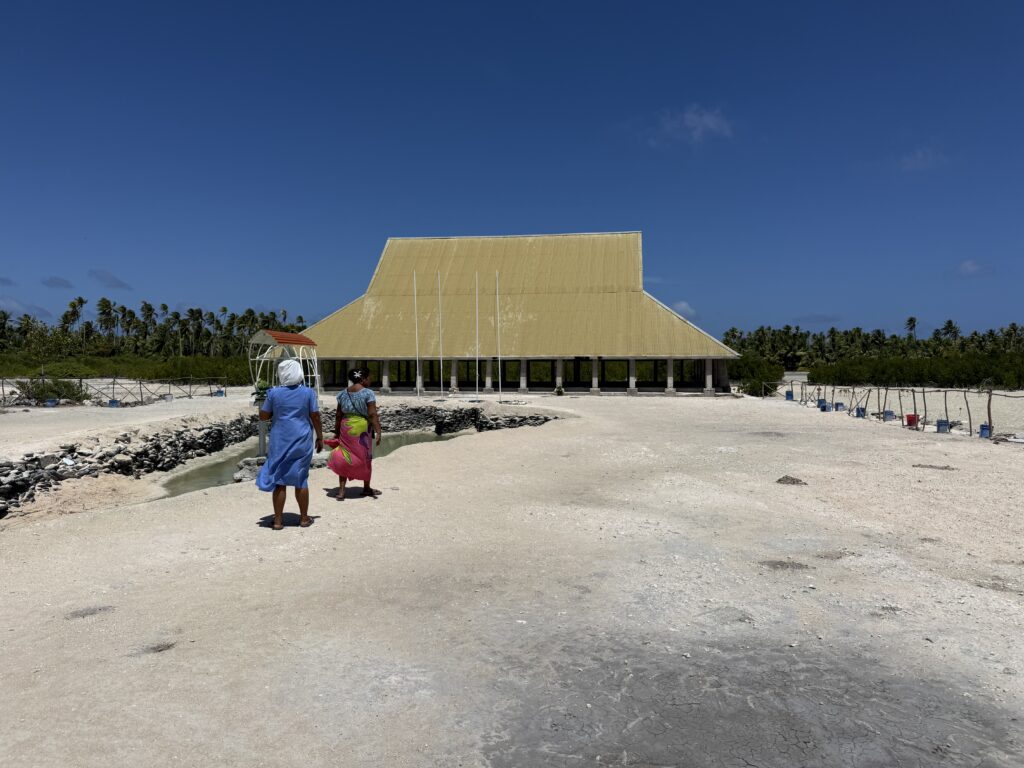
Travel outside South Tarawa, though, and things change. You find beautiful outer islands, remote and lightly developed, with poor soil and limited infrastructure but clear water and that unmistakable tropical stillness.
I did not warm to Kiribati immediately. The environment felt tough and I found it strangely hard to access the sea in the easy, casual way I wanted. After work, the thought of walking through the congestion, the heat and the dogs was not always appealing. The lack of fresh fruit, vegetables and quality food also wore me down. It was too easy to fall into cheap meals from a can or a packet. Now you might be saying well why not eat fish. Yes that is a fair question. There is plenty of fish around. mainly tuna. Massive tuna. But one has to get organised. It’s not like in Australia where there’s a fish shop where you can get a few little fillets cut for you. Also, I must confess. I’m a bit tired of eating tuna when I visit.
On my last trip, though, something shifted. A colleague showed me a place to swim only a short drive from where I was staying. Suddenly the island opened up a bit. Spending an afternoon in the water, basking in the sun and looking out at the empty spaces around me was deeply satisfying. It gave me a different way into the place.
But what really makes Kiribati special for me is the people. They are genuinely kind and generous, and they go out of their way to make you feel welcome in their country. They are humble, warm and always willing to share. I learn a lot from the people who look after me when we are there. Life is not always easy for them, but they laugh, they enjoy life and they make the most of what they have. That, more than anything, is what has warmed my heart to the place.